
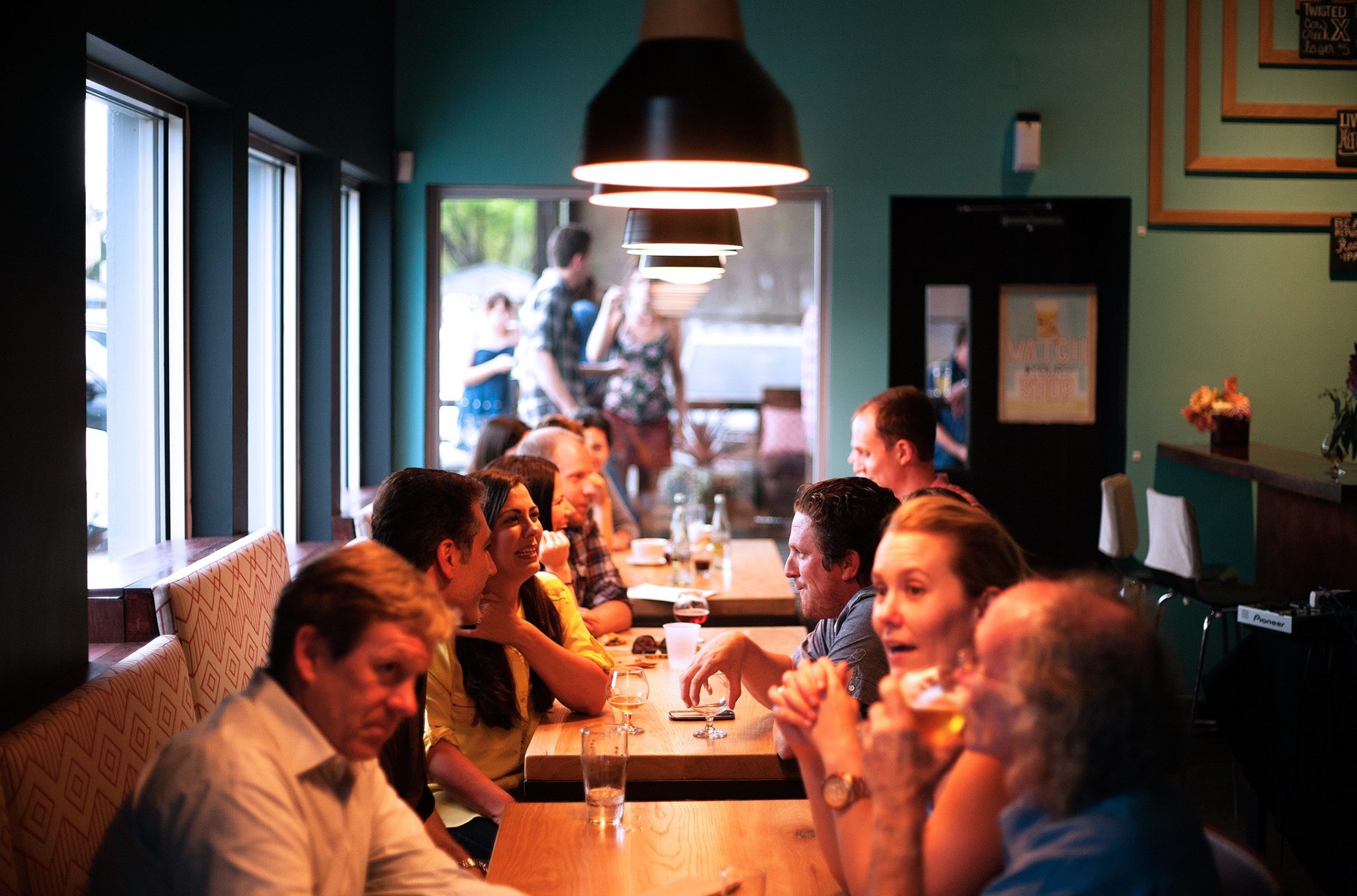
With high levels of competition and the explosion of demand for prepared food, innovative thinking as well as technology are key to help brands and independents stand out from the crowd. In this article we focus on the fast food sector in particular.
Over the last decade there has been an unprecedented growth across the entire foodservice industry, we have seen a regular growth in the number of people eating out every year. Changing mindsets, habits and of course an increase in disposable income have created an opportunity for the development of many exciting and attractive restaurant concepts with the aim to engage guests. The global marketplace has responded with many new brands being born and existing brands evolving and refurbishing.
In the UK alone, around 60% of the market is comprised of small restaurant and Gastro pubs. In parts of continental Europe such as Turkey and Greece, that percentage is even higher creating greater competition and therefore the need for engagement and the differentiation. We have a wide range of styles, From the quick service restaurants (QSR) and street food (SF) style eateries, to more refined dining experiences.
Compete by Digitising
In order for restaurants to compete in such a booming space as well as remain relevant and appealing to the next generation of younger “tech savvy diners”, restaurants are undertaking widespread refurbishment of the outlets, including overhauling their presentation of everything including the decor and the menu. These diners want a more digitally autonomous, interactive entertaining and self-determined dining experience. For restaurants there is an opportunity to use display projection technologies to improve visual communications and create more dynamic and adaptive customer information service points.
Take into consideration the world’s largest QSR brands like McDonalds and KFC; they have invested in their decor and soft furnishings in the last decade and am now rolling out a variety of digital display technologies.
There are various points both inside and outside restaurants where these transformations are taking place.
Coping with time sensitive menus
Many of the QSR have to deal with the challenge of presenting different menu’s to cope with different points of the day; breakfast, lunch and dinner or late-night has traditionally involved rotating printing display boards or swapping out posters menu cards. This is a time-consuming process involving paper and poster stock that deteriorates over time, not to mention the mistakes which are expensive and time-consuming to correct. The introduction of 1080p and 4K Ultra high-definition display technologies combined with low cost and low profile computers and video display devices have replaced the revolving above counter displays and wall mounted menus.
The removal of rotating displays and poster boards also eliminates potential hygiene risks as well as health and safety flashpoints from the restaurant, with rotating displays presenting as a bacterial transfer point if not meticulously cleaned and maintained. On a more practical level, the high position of rotating displays above customers often requires the use of the step ladder for the tool to enable reach creating heightened safety risks, digital displays however require no physical contact update immediately remove all these factors from operational risk assessments. At the same time printing and transporting costs of the stock paper posters and menus are also eliminated contributing to improve return on investment (ROI).
Self-service by touch
Alongside modernising and digitising customer information displays, self-service is the next innovation that we are seeeing. This process not only allows for an overall reduction in sales staff costs, allows customers to customise their food order and also allows for the redeployment of staff from the cash register to the food preparation and counter fulfillment tasks.
Technology can also help reduce the boredom whilst waiting for your food to arrive and allow you to not feel like time is being wasted. Giving access to Wi-Fi is commonplace, but you can also setup entertainment feeds to a booth where a family maybe sitting.
Local customisation and promotions
Digital displays can enable customers to cycle through the different menu options based on the time of day. For example, background colour changes, brightness and contrast settings to suit a particular location – maybe issues with natural lighting. Also you can decide to quickly change you your promotions or offers without the need to reprint or republish. Maybe the local football has just won a big match and you want to celebrate with the fans.
Customer Engagement
The overall objective here is to create a deeper level of engagement with your customers and this is very relevant in fast food style restaurants, where customers are there for a fast and fun experience. Embracing what digital can offer in terms of a lively experience. Restaurants have the opportunity to present diners with a more vibrant and interactive ordering process as well as adding to the décor and ambience of the venue. Of course, any digitisation needs to speak to your target audience on a personal level, the branding needs to align with the actual service delivery.